

















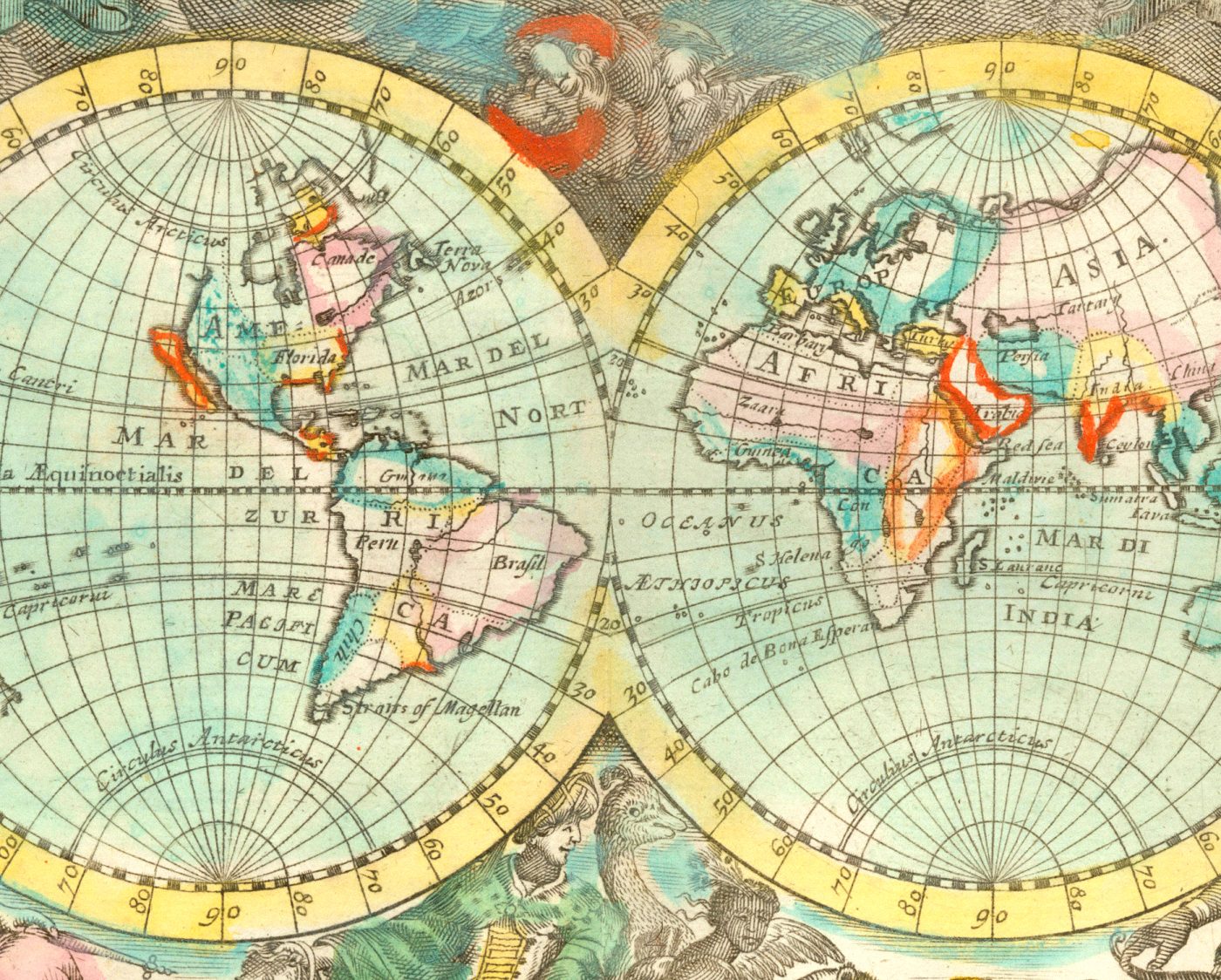
 Better Than a Roadmap
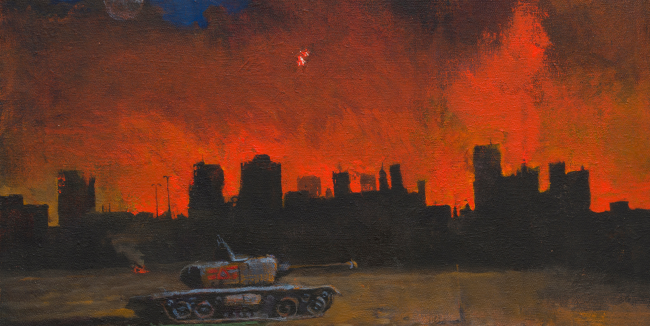
On a journey of infinite possibility and infinite judgment, it is easy to feel lost.
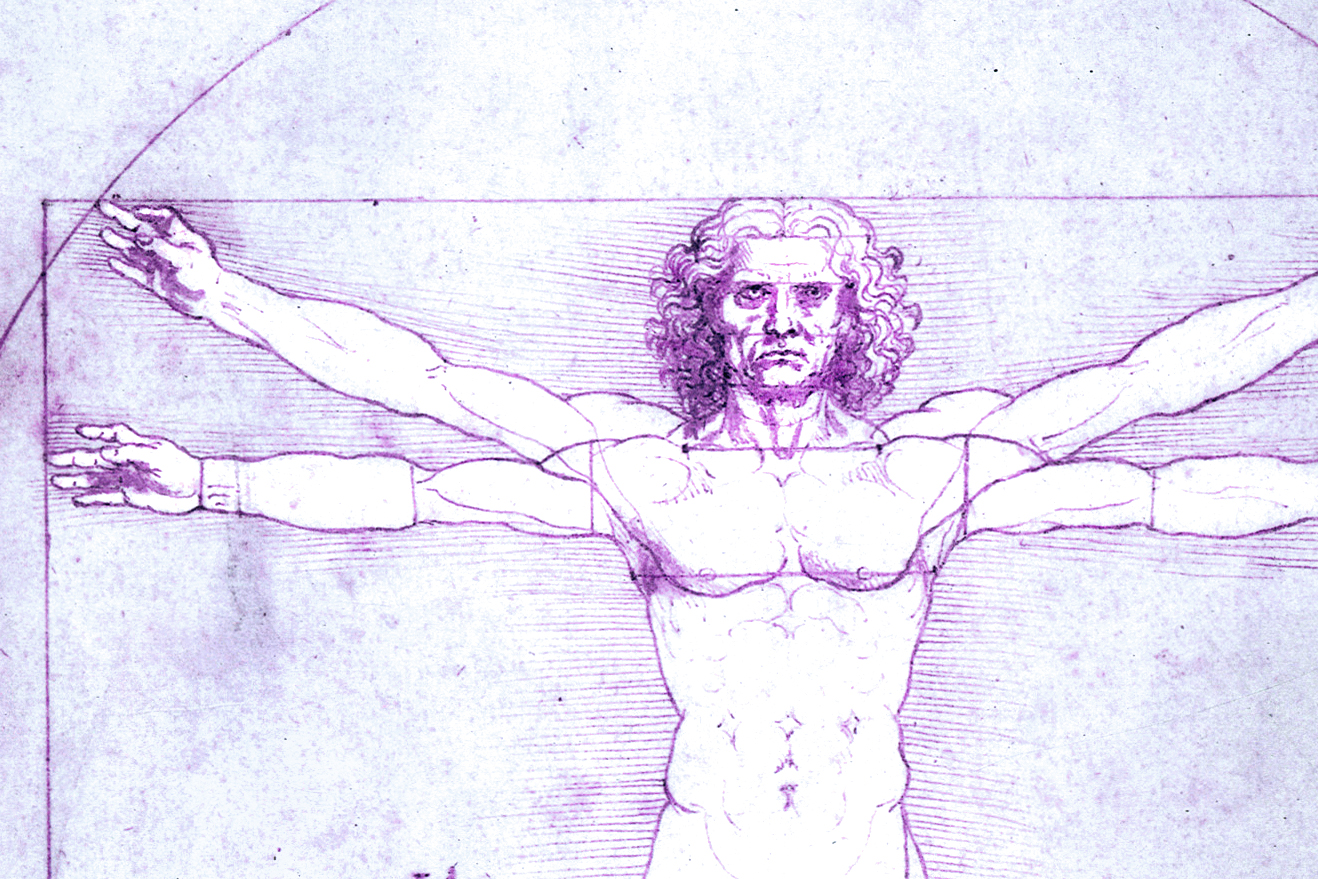 Looksmaxxing, Ben Sasse, and the Theology of the Cross
We all want to ascend to whatever form of glory we set our eyes on.
Another Week Ends
 April 4-10
Digital Mood Rings, Not Dead Yet, Psychological Reactance, the Good News of Impassibility
 March 28-April 3
High Agency Aspirations, Performative Insecurities, Insatiable Monsters, Religious Ladders, and Ruthless Holy Weeks
The Latest

Seeing as a Form of Doing
On Looking With Beauty, Not Only for It

God Lives at Our End
28 Years Later and the Valley of Dry Bones
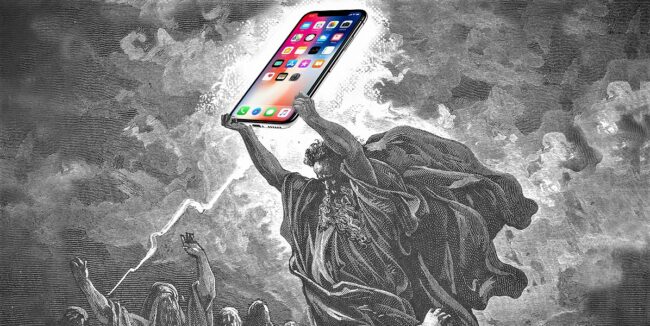
Carrying the Law in Your Pocket
The Work of Tech Is Never Done

The Emptiness of the Multiverse
Asking “what if” is a road that leads to nihilism.

God Can Be a Bit Silly Too
Play and Pray

A Reckoning With the Road Less Taken
The Dreaded 25th College Reunion
Podcasts
-
 Same Old Song Easter 3 (A): Runnin’
 -
 The Mockingpulpit “Fear and Joy” – Ryan Alvey
 -
 The Mockingcast Episode 292: False Evidence Appearing Real
 -
 PZs Podcast Episode 410 – HELLO (H E L L O) E L O
 -
 The StoryMakers Podcast Episode 29: Set The Table: Quality vs. Quantity with Sarah Copeland
 -
 The Brothers Zahl Episode 19: Parenting
Sign Up for the Mockingbird Digest
Video Archive
 Teaching Grace in a Secular Classroom
A place where light can pour in and hope and connection can flourish.
More Posts

Some Kings
The Triumphal Entry and “No Kings”
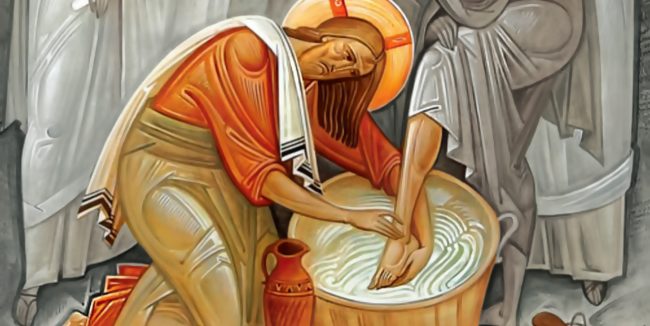
An Antidote to Revenge
Judas Iscariot, Foot Washing, and the Science of Betrayal

Grave Conversations
A wise person thinks a lot about death.
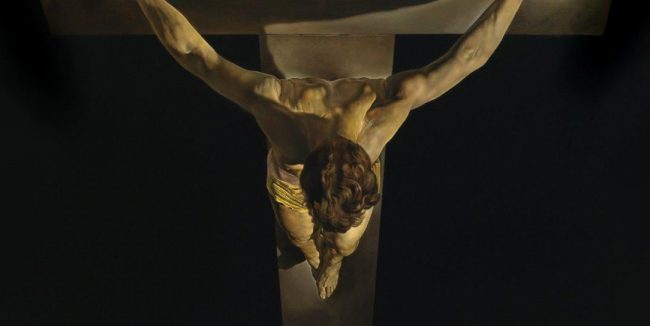
When the Man Comes Around
The Good Friday Apocalypse
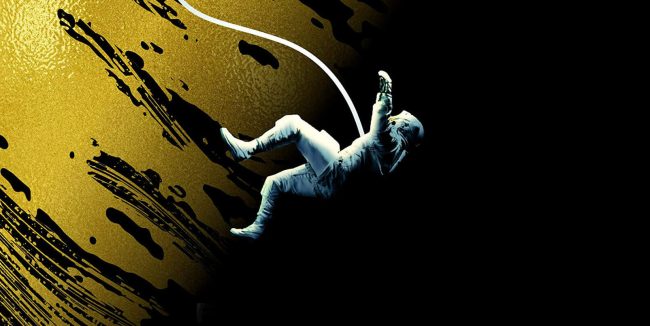
The End of Loneliness at the End of the Galaxy
Project Hail Mary’s Hopeful Mission

Every Day is Holy Saturday
Learning to Live Between the Times